
Reviewed · GRAND BASSIN & TEMPLES
ROUTE OF INDIAN SPIRITUALITY
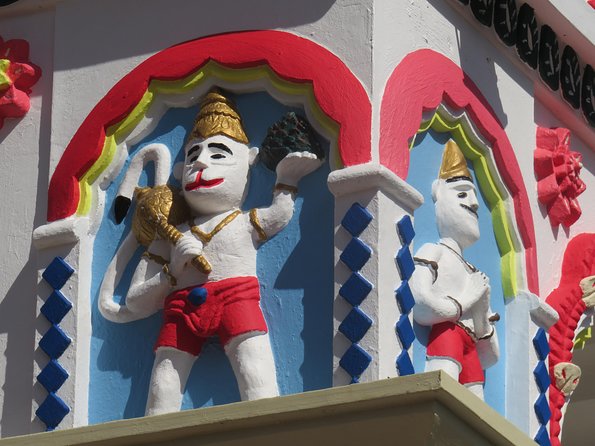
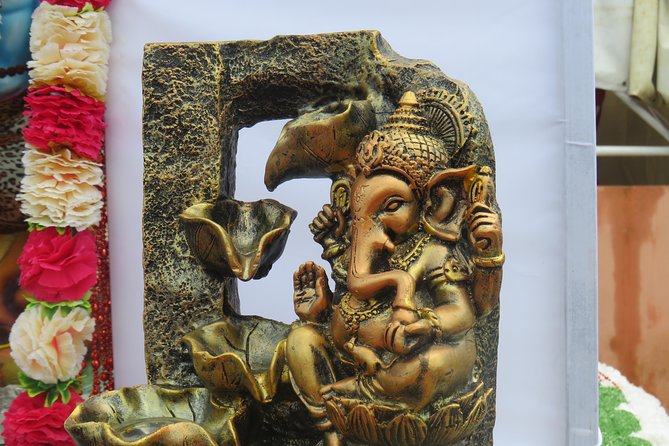
Mauritius becomes far more interesting when you look beyond beaches and resorts. This three-hour tour connects three working temples with stories about Shiva, Ganesh, Muruga, slavery, pilgrimage, and modern Mauritian life. Eric explains why Shiva has a blue neck, why a lingam is watered, and why Ganesh has one broken tusk.
I like the private format, since your group can ask direct questions rather than follow a large crowd. I also like the link to living festivals, including Maha Shivaratree, Cavadee, Ganesh Chaturti, Ganga Snan, and Govinden. The main consideration is time: three hours gives you an introduction, not a complete study of Hindu and Tamil traditions.
Key points to know before booking
- 1898 pilgrimage roots: The Triolet temple is tied to the first Maha Shivaratree pilgrimage in Mauritius.
- Three temples, two traditions: You visit a Hindu temple in Triolet and two Tamil kovils at Cap Malheureux.
- Eric leads the explanation: Expect a personal, question-friendly visit focused on stories, symbols, and Mauritian society.
- A 15-meter Muruga statue: One Cap Malheureux temple has a large statue modeled on the figure at Kuala Lumpur’s Batu Caves.
- Private three-hour outing: Only your group participates, with departure at 9:00 a.m. from La Croisette in Grand Baie.
- Good value for curious visitors: At $64.61 per person, the price pays for cultural context that is difficult to pick up from a quick temple stop.
Why this temple tour adds depth to a Mauritius trip
Many visitors first meet Mauritius through its coast, food, and resort life. Those are good reasons to come, but they do not explain the island on their own. Indian spirituality is part of Mauritius’s public culture, family life, festivals, and sense of place. This tour gives you a short, focused way to explore that side of the country.
The experience is not built around silent observation alone. You are encouraged to ask why rituals take certain forms and how different deities are understood. That matters because temple architecture and statues can be hard to interpret if you do not know the stories behind them.
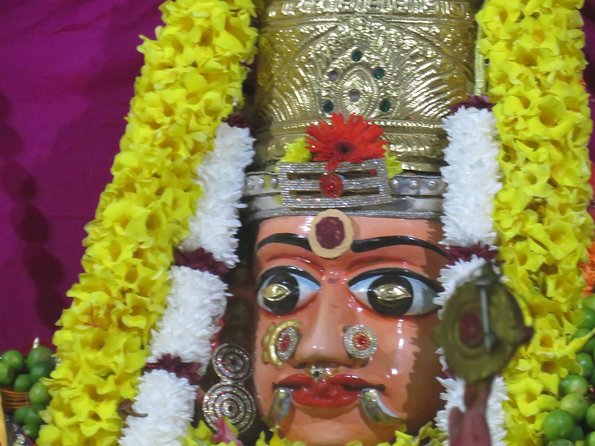
Eric’s approach is playful but respectful. The questions about Shiva’s blue neck, the constantly watered lingam, and Ganesh’s broken right tusk give the tour an easy entry point. You do not need prior knowledge of Hinduism or Tamil traditions. You only need curiosity and a willingness to listen.
The tour also places religion within Mauritian history. The discussion includes slavery and the continuing role of religious communities today. That wider frame keeps the visit from becoming a list of gods and ceremonies. You get a sense of how faith connects with the island’s past and present.
Other crater-lake and temple visits from Port Louis:
- Mauritius: Northern Tour w/Port Louis Market, Temple & Beach
★ 4.4 · 65 reviews - Mauritius: Dolphin Encounter, Trou aux Cerf and Grand Bassin
★ 4.5 · 66 reviews - Trou-aux-Cerfs – Grand Bassin – 7 Coloured Earth – Wild South Guided Tour
★ 4.5 · 47 reviews
Triolet temple and the 1898 pilgrimage
The first stop is the temple at Triolet, where you spend about an hour. This is the longest visit of the morning, and for good reason. The temple is linked to the first Maha Shivaratree pilgrimage in Mauritius in 1898, giving the site a direct connection to one of the island’s major Hindu observances.
Maha Shivaratree honors Shiva. The name refers to the Great Night of Shiva, and the event is marked by prayer and pilgrimage. The tour explains what the festival means, rather than leaving you to guess from the buildings, offerings, or devotional activity around you.
This is where the tour’s storytelling should be most useful. You can ask about Shiva’s symbols, the role of the lingam, and why water is continually poured over it. These details become more understandable when you hear the stories and beliefs connected with them.
Allow yourself time to look carefully. The first stop is not just a photo opportunity before moving on. It is the place where the tour establishes the difference between seeing a temple and understanding why people come there.
The word Hindu and the word Tamil do not always describe the same thing. The tour addresses that question directly, including the relationship between Hindu religion and Tamil religious practice. That is a valuable point for anyone who wants to avoid treating every Mauritian temple as interchangeable.
The first Tamil kovil at Cap Malheureux
The second stop brings you to Cap Malheureux for a Tamil temple, or kovil. You spend around 30 minutes here. The shorter visit means the explanation is more concentrated, with attention to the temple’s story, legends, and myths.
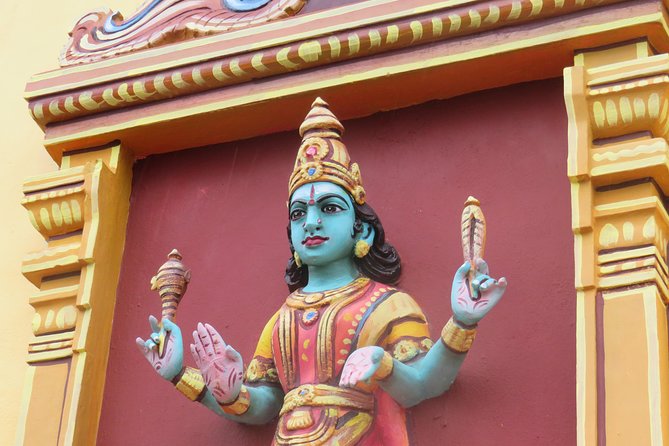
The word kovil is useful to know because it identifies a Tamil place of worship. The visit helps you see that Mauritius contains several overlapping cultural and religious identities. A temple may be part of the island’s shared spiritual life while also reflecting the traditions of the Tamil community.
This stop is a good counterpoint to Triolet. Rather than hearing only about a major pilgrimage site, you get another setting and another way of approaching worship. Eric’s explanations help connect the buildings and deities with the people and customs that keep these traditions active.
You should expect interpretation rather than a long formal ceremony. The supplied details focus on description, history, legends, and myths. If you want a tour devoted mainly to extended prayer or ritual participation, this may not be the right choice. If you want context and conversation, the half-hour visit fits the overall design well.
The 15-meter Muruga statue
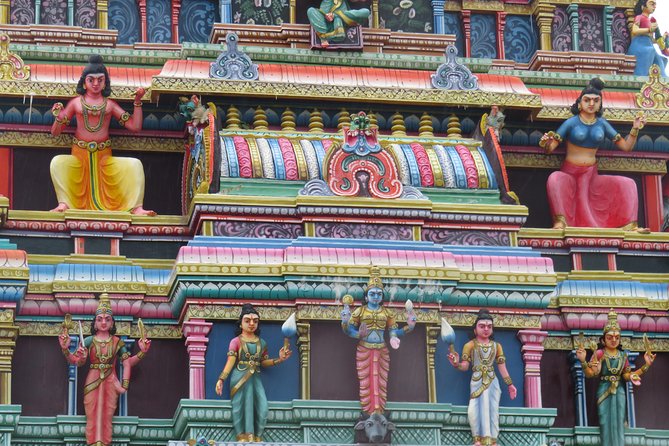
The third stop is another Tamil temple at Cap Malheureux. It lasts about 15 minutes, so this is the briefest visit. Its main feature is an imposing 15-meter statue of Muruga, a major deity in Tamil religious tradition.
The statue is a replica of the figure at the entrance to the Batu Caves in Kuala Lumpur. That connection gives the stop a clear visual focus. You do not need a long explanation to understand the scale, but the story of Muruga and the role of the statue add meaning to what you see.
The short timing is both a strength and a limitation. It keeps the morning moving and gives you three distinct sites in about three hours. On the other hand, you will not have the same amount of time here as at Triolet. Think of this temple as a final, memorable image rather than a full second lecture.
The three stops work best together. Triolet introduces the pilgrimage tradition and Shiva. The first Cap Malheureux kovil expands the discussion to Tamil worship, legends, and community identity. The final temple gives you a powerful visual reminder of Muruga’s place in that tradition.
Same stretch of island, a different sort of day:
- Mauritius: Exclusive South West Tour
★ 4.8 · 523 reviews - Port Louis: Street Food & City Tour
★ 4.7 · 518 reviews - Mauritius North: Private Paradise Tour with Gardens, Markets
★ 4.8 · 446 reviews - Port Louis: Street Food & City Tour
★ 4.9 · 377 reviews
Festivals explained beyond the names
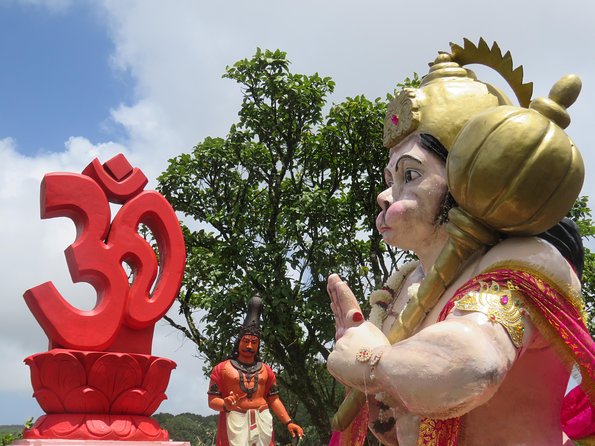
A strong feature of this experience is its attention to festivals. You hear about Maha Shivaratree, Cavadee, Ganesh Chaturti, Ganga Snan, and Govinden, with an explanation of what each celebration means.
That list may look like a collection of unfamiliar names at first. The tour gives you a way to sort them out. You can ask what is being celebrated, which deities or traditions are involved, and how these occasions appear in Mauritian public life.
The experience may also offer the chance to attend or follow processions or prayers on specific festival dates. This is date-dependent, so you should not assume that a ceremony will be taking place on every departure. If your visit matches one of those occasions, the tour can add useful context to what you see.
Festival information is especially valuable if you are staying longer in Mauritius. Even if you do not attend another ceremony, you will recognize references to these events and understand why they matter. You will also be better prepared to behave respectfully around religious activity.
The guide’s tone is important here. Religious traditions can be awkward subjects when explained too casually, but this experience aims for a light touch without making the subject trivial. The playful questions make difficult ideas easier to approach, while the discussion of slavery and modern commitment keeps the conversation serious when it needs to be.
Hindu and Tamil traditions in Mauritian life
The tour asks a useful question: are Hindu and Tamil religious traditions separate, connected, or both? The answer is not reduced to a simple label. You are shown how religious practice, ancestry, language, festivals, and Mauritian society can overlap.
This is one of the best reasons to choose a guide-led visit. A building alone cannot explain the social meaning of a procession or the reason a particular deity appears at a temple. You need someone to place the site within the community that uses it.
The experience also asks how culturally distant these practices may feel to an outside visitor. That is a thoughtful angle. You may recognize universal themes such as family, pilgrimage, devotion, protection, and celebration, even when the symbols and ceremonies are new to you.
At the same time, you should not expect the tour to erase cultural differences. The point is not that every faith practice is the same. The point is that you can understand unfamiliar traditions without treating them as strange spectacles.
What the private format means for you
This is a private activity, so only your group participates. That is a meaningful advantage for a subject that often produces questions. You can pause to ask about a deity, a symbol, or a festival without worrying about slowing down a large group.
The schedule begins at 9:00 a.m. at La Croisette, Chem. Vingt Pieds, in Grand Baie. The activity ends back at the same meeting point. Since the total duration is about three hours, it fits neatly into a morning and leaves the rest of your day open.
A mobile ticket makes arrival simple. Confirmation is provided at booking, and the meeting location is near public transportation. Service animals are allowed, and most people can participate. The tour requires good weather, so poor conditions may lead to a different date or a full refund.
Because transport details between the stops are not specified, check the meeting instructions carefully before you go. The important point is that you begin and finish at La Croisette. This is not described as a full-day island excursion, so do not expect additional sightseeing outside the three temple visits.
Is $64.61 a fair price?
At $64.61 per person, this is not the cheapest way to spend a morning in Mauritius. You are paying for about three hours, three religious sites, private participation, and a guide who can explain symbols and social context. The value depends on how much you want to understand rather than simply see.
For a solo visitor or a small group interested in culture, the private format makes the price more reasonable. A direct conversation with Eric can give you more value than a large coach visit where the explanation stays general. The price also covers a subject that is not always easy to research while moving around the island.
If you mainly want dramatic architecture or quick photographs, the cost may feel high. The final stop lasts about 15 minutes, and the itinerary is focused rather than broad. You are not paying for a long list of attractions. You are paying for interpretation.
I would consider it good value for visitors who already have beach time planned and want one concentrated morning about Mauritius’s Indian spiritual traditions. It is less suitable if your priority is scenery, shopping, or a packed sightseeing route.
Who should book this experience?
I would recommend it to first-time visitors who want cultural background without committing to a full-day program. It suits couples, families, and small private groups who prefer to ask questions as they go.
It is also a good choice if you have heard of Maha Shivaratree, Cavadee, Ganesh Chaturti, Ganga Snan, or Govinden but do not know what those names mean. The tour gives you a basic framework for understanding them.
You should book with realistic expectations. This is not presented as a formal academic course, and three hours cannot cover every part of Hindu and Tamil religious life in Mauritius. It is a guided introduction built around three specific temples and the stories connected with them.
Dress and behavior should reflect the religious setting, even though exact dress rules are not provided. Listen to the guide, follow instructions at each site, and treat prayer spaces as places of worship rather than ordinary sightseeing stops.
My verdict on the Route of Indian Spirituality
Book this tour if you want to connect Mauritius’s temples with its people, festivals, and past. The strongest features are the private format, Eric’s clear explanations, Triolet’s 1898 pilgrimage connection, and the striking Muruga statue at Cap Malheureux.
Skip it if you want a broad island tour or a morning centered on beaches and scenery. For everyone else, $64.61 buys a focused cultural experience that can make the rest of your time in Mauritius more meaningful. The tour is short, specific, and respectful, which is exactly what many visitors need when approaching a living religious tradition.
FAQ
Where does the tour begin?
It begins at La CroisetteMU, Chem. Vingt Pieds, Grand Baie 30517, Mauritius.
What time does the tour start?
The start time is 9:00 a.m.
Where does the activity end?
The activity ends back at the meeting point at La Croisette.
How long does the tour last?
The tour lasts approximately three hours.
How many temples are visited?
You visit three temples: the temple at Triolet and two Tamil temples, or kovils, at Cap Malheureux.
Is this a private tour?
Yes. Only your group participates in the activity.
What is the price?
The listed price is $64.61 per person.
Is the tour available with a mobile ticket?
Yes. The experience includes a mobile ticket.
Can I cancel for a full refund?
Yes, if you cancel at least 24 hours before the local start time. Cancellations made less than 24 hours in advance are not refunded, and changes within that period are not accepted. If poor weather causes the experience to be canceled, you will be offered another date or a full refund.
Just added in Port Louis
- Private A/C CAR Guided FULL DAY tour North of Mauritius★ 4.0 · 5 reviews
- Full Day Private car only Guided SOUTH WEST of Mauritius★ 4.5 · 8 reviews
- Full Day Shared Speed Boat in Ile Aux Cerfs Lunch & Transfer incl★ 4.0 · 6 reviews
- 8-Hour Private City and North Tour in Mauritius★ 4.5 · 4 reviews
- Mauritius Hiking : Tamarind falls ( 7 waterfalls)★ 5.0 · 6 reviews
- Mauritius Guided South Tour (Private)★ 5.0 · 9 reviews
- Mauritius Private South West Tour★ 5.0 · 3 reviews
- Mauritius Guided North Tour (Private)★ 4.5 · 9 reviews
Grand Bassin & Temples, compared.

Dolphin Encounter, Trou aux Cerf and Grand Bassin
Read our review →
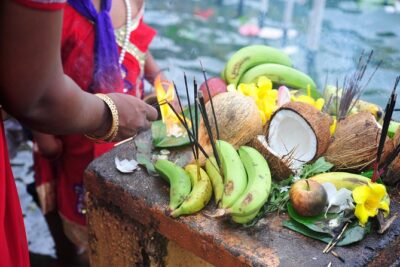
Trou-aux-Cerfs – Grand Bassin – 7 Coloured Earth – Wild South Guided Tour
Read our review →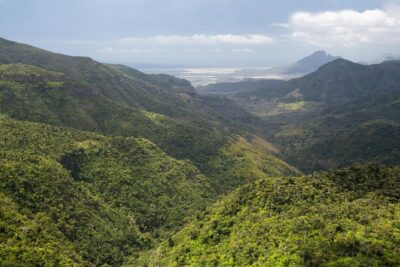
Trou-aux-Cerfs – Chamarel – Grand Bassin -Private Guided Tour (Min. 2 persons)
Read our review →
Mauritius Hiking 7 waterfalls Trip with Ganga Talao & Lunch
Read our review →Browse the lists this tour appears in